


Passive Cooling Through Smart Design
A recently completed villa in Dubai demonstrates how brick architecture can dramatically reduce energy consumption in extreme climates. The project achieved over 20% reduction in air conditioning needs through intelligent material selection and design strategies.
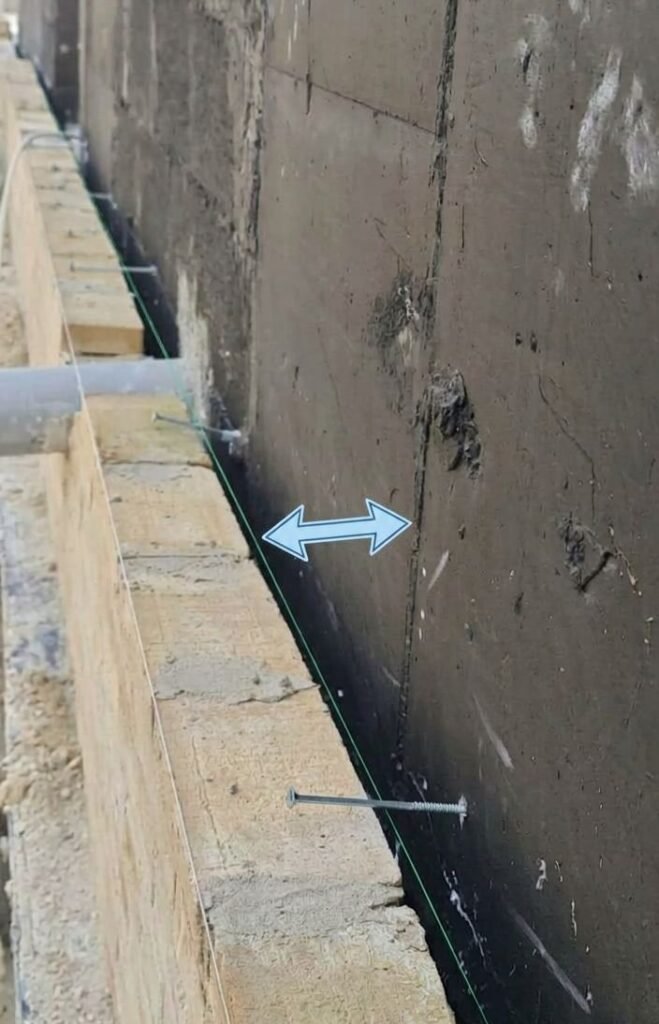
Three-Layer Thermal Envelope
The building's energy efficiency comes from a sophisticated façade system:
- Outer brick layer (D71 and K71) - reduces heat absorption through mass and porosity
- Air-filled cavity - creates a thermal buffer zone
- Inner insulated blocks - provides final thermal barrier
This layered approach creates a robust building envelope that keeps interior spaces naturally cooler.
Natural Cooling Elements
Beyond the brick envelope, the design incorporates:
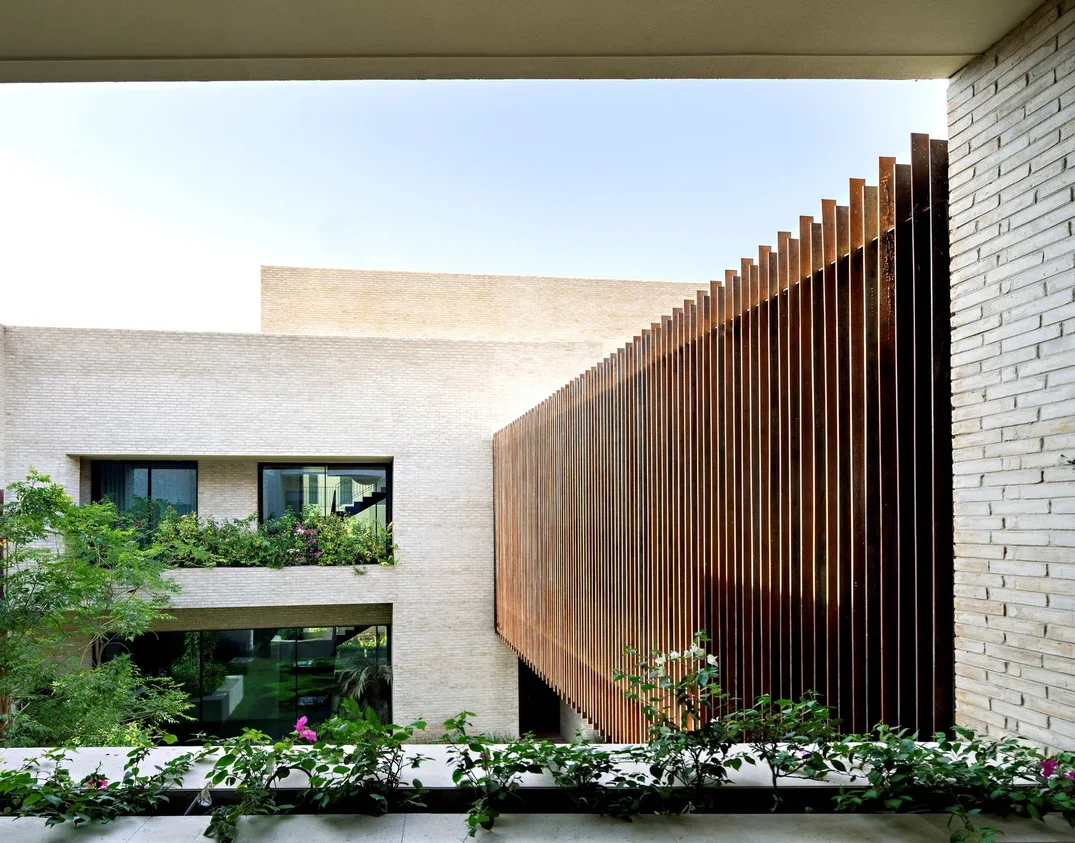
Spacious Courtyard
acts as the home's "green lung"
Optimized Airflow
natural ventilation throughout
Roof Planting
provides additional insulation and cooling
Water Features
contribute to passive cooling through evaporation
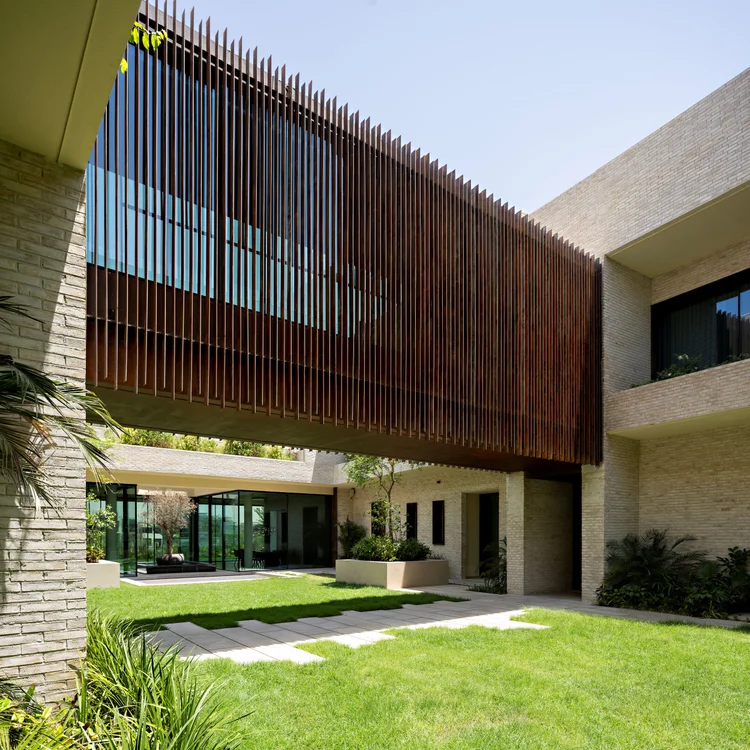
Strategic Shading
from jaali screens and building orientation
Climate-Responsive Material Choice
Rather than fighting the desert climate with energy-intensive cooling systems, the architects treated the environment as an ally. Brick was chosen specifically for its:
- Thermal mass – absorbs and slowly releases heat
- Porosity – allows for natural temperature regulation
- Texture and color – reflects rather than absorbs solar radiation
The golden and whitish hues of the bricks harmonize with desert tones while minimizing heat gain.